University of East Capital Allocates 20 Acres For Industry Educational Factories and Prototyping Research Center
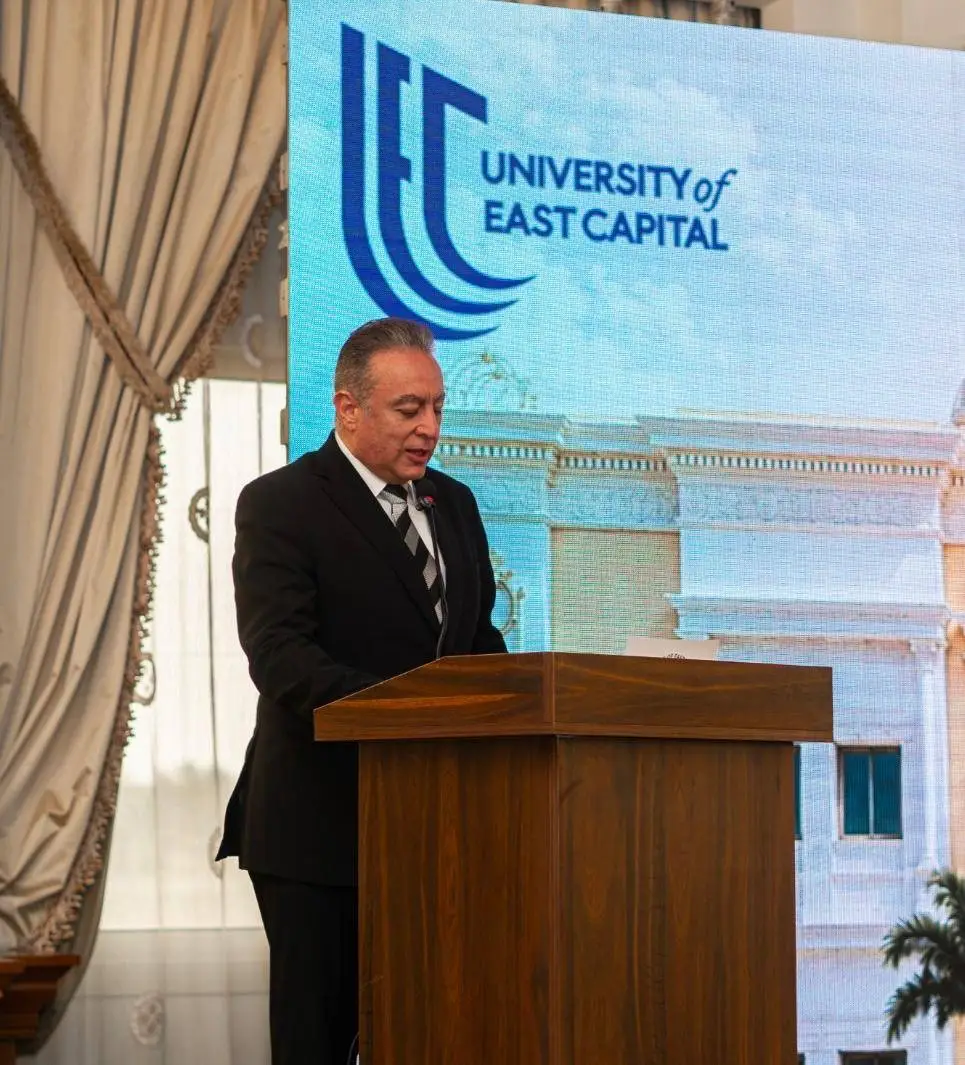
Reinforcing its industry-driven approach to higher education and hands-on learning, Prof. Dr. Ayman Diab, University of East Capital President, announced the allocation of 20 acres to establish industry educational factories and a Prototyping Research Center.
In his announcement, Prof. Dr. Ayman Diab said the university had adopted an educational model that connects academic learning with industrial practice, helping students gain practical experience alongside their studies.
Real Production Environments
This huge project, which will include manufacturing facilities and a Prototyping research office developed in cooperation with companies and industrial partners, is intended to provide students with opportunities for training, skills development, and workplace experience within real production environments. This initiative will enable students to engage directly with manufacturing activities on campus, creating stronger links between classroom learning and industry requirements.
Prototyping Research Center
The university also announced the establishment of a Prototyping Research Center aimed at converting research outcomes into practical applications. The center will support product development and startup creation while helping researchers and students bring promising ideas closer to commercial and industrial implementation.
According to Dr. Diab, the center will also contribute to addressing local and regional challenges through applied research and technology-driven solutions.
Educational Reshaping
Dr. Ayman Diab added that advances in artificial intelligence, digital learning platforms, and educational technologies continue to reshape workforce requirements, making practical training and industry engagement increasingly important components of higher education.
It’s worth noting that this initiative serves UEC’s broader efforts to create a learning environment where education, research, and industry operate side by side, giving students greater exposure to real-world industrial practices before graduation.